
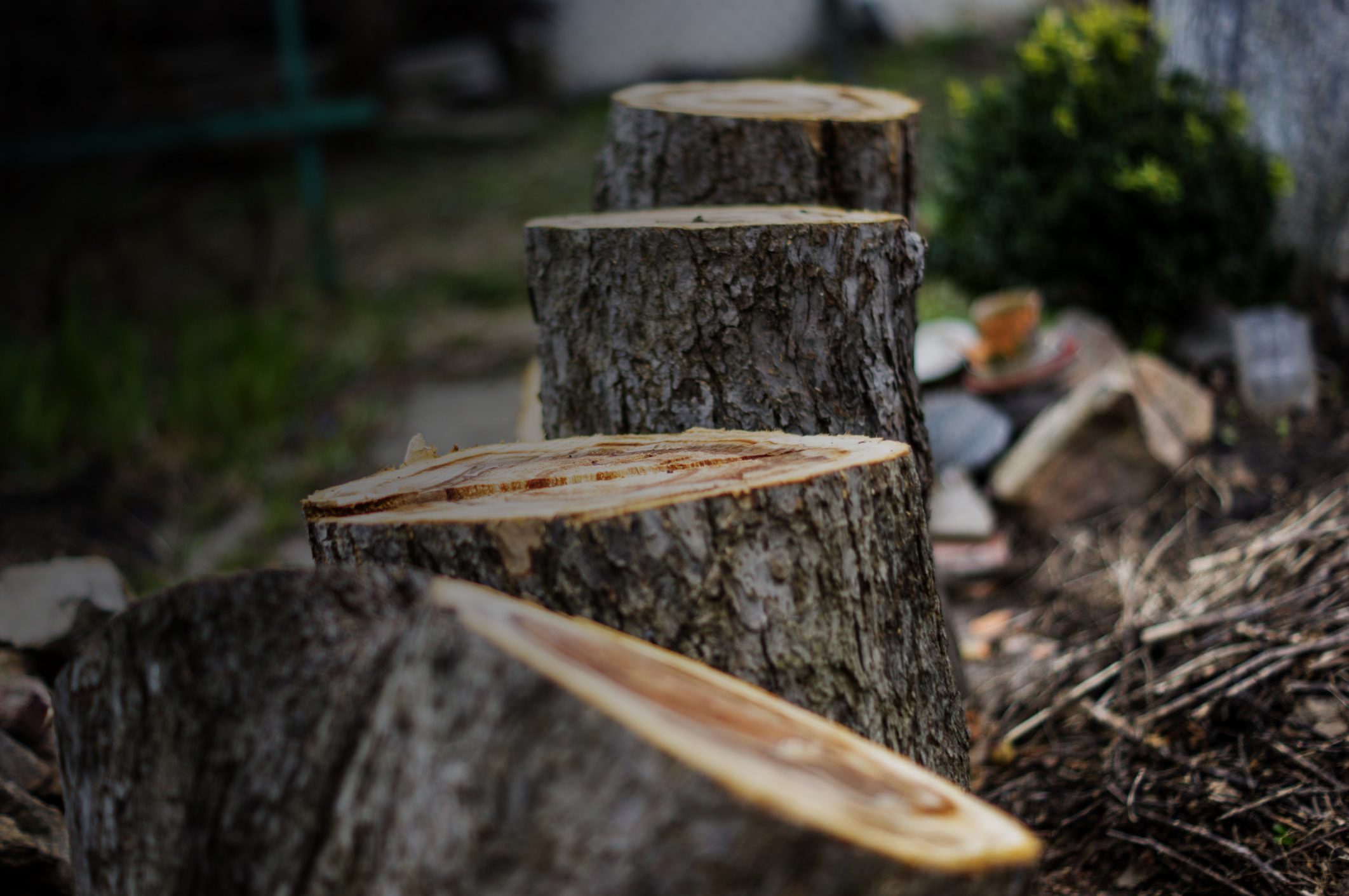
Tree Cutting Services
Our tree cutting services at Garden Landscape are primarily focused on amenity and hazard trees. Hazard trees are typically urban trees with structural problems that pose a potential hazard to life or property. Amenity trees are retained for their landscape value. A tree may present a hazard when its condition or structure creates a risk to people or property; the site and the tree need assessment before work is agreed.
Discuss the condition of the tree and any site concerns with Garden Landscape before agreeing the scope of tree-care or removal work.
Benefits of Tree Felling
Tree felling involves removal of a tree. Whether removal is appropriate depends on its condition, the surrounding site and the reason for the proposed work. Alternatively, a tree’s existing habitat may be unfavourable for it. Its roots, for example, could endanger the foundation or pipes of a nearby building.
For private properties, explain the reason for considering removal and any concerns involving neighbouring areas. Ownership, the tree’s condition and applicable requirements should be considered before the work is agreed.
Felling a tree is a difficult task that should never be attempted without previous experience and the use of professional instruments. The proposed work needs suitable planning for the people, property and access around the tree.
Start with the Reason for Removal
Tree cutting should begin with a clear explanation of the concern and an assessment of the tree’s surroundings. Describe visible damage, interference with a planned project or other reasons you are considering removal. Include photographs showing the whole tree, its base and nearby structures. A tree’s size alone does not determine whether removal is appropriate or how the work should be carried out.
Where retention may be possible, pruning or another care approach may deserve consideration. Relocation is also a separate option that requires its own assessment. The decision should reflect the tree, the site and the reason for the enquiry, rather than treating removal as the automatic response to every problem.
Identify Access, Approvals and the Full Scope
Explain who owns or manages the land and who can authorise the work. Where development controls or tree-conservation requirements apply, these should be checked before cutting begins. Site access, nearby buildings and the space available for handling material can affect the proposed method and equipment. Tell the team about restricted entrances and areas used by pedestrians or vehicles.
Ask the quotation to distinguish cutting, handling and removal of agreed material from stump or root work. Leaving a stump, removing it and preparing the ground for a new use are different outcomes. Confirm which reinstatement works are included and what will remain after the tree has been removed, so the scope matches your plans for the area.
Plan What Happens After the Work
The future use of the space influences the enquiry. If you intend to install turf, new planting or a path, explain that before the removal scope is finalised. Existing roots, surrounding surfaces and access to the finished area may need consideration by the team handling the next stage. Coordinating these decisions can avoid ordering work that does not prepare the site for its intended use.
For an urgent tree concern, describe the current condition and confirm attendance arrangements directly. Do not assume a guaranteed arrival time from a general service description. The proposed work should include suitable arrangements for the people and property around the tree. After completion, review the agreed removal and clearing tasks and identify any separately quoted follow-up work still required.
Prevent Spread of Disease
Signs of disease or decline should be assessed before deciding on tree-care work. The appropriate response depends on the tree’s condition and the surrounding site. Removal may be considered when a tree cannot be retained safely; it is not the automatic response to every disease problem.
Emergency Tree Removal Services
For an urgent concern involving a fallen or damaged tree, describe the situation and confirm attendance and the proposed work directly with the team. For additional information about our emergency tree removal service, please contact us.
Assessing Tree Condition and Site Risk
It’s critical to emphasise the danger that a dying or diseased tree poses to the environment. When huge amounts of dead wood are combined with a tree’s diminished stability, a tree can be toppled over by high winds. This is not an uncommon sight in Singapore, as you may have seen fallen trees by the side of the road after a rainstorm.
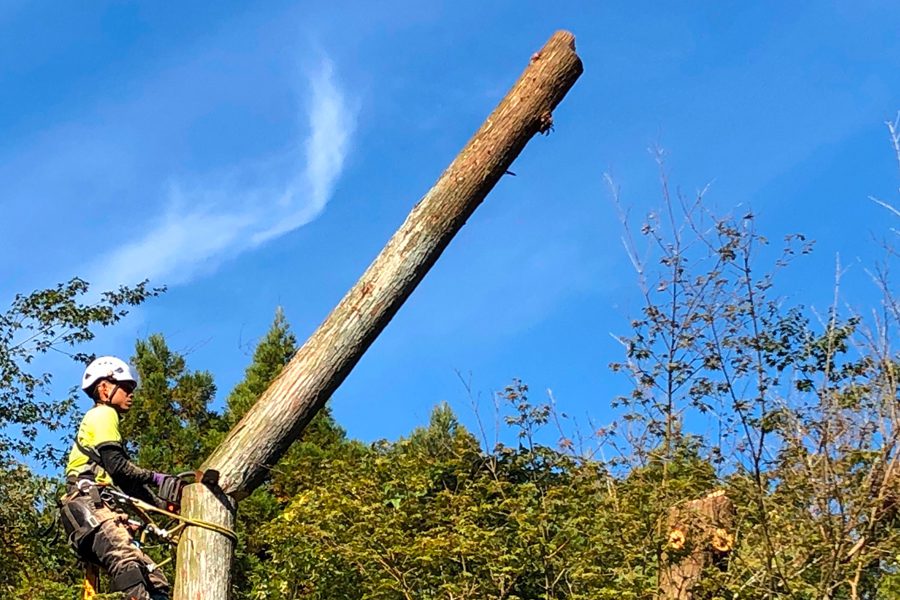

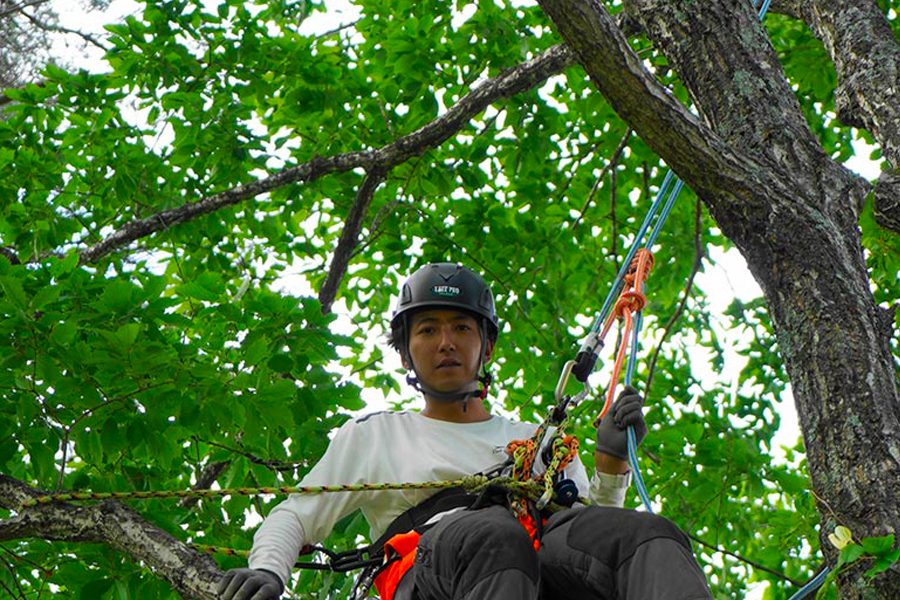
Tree Transplanting Service
Transplanting trees is a difficult task. To verify that each tree is securely transplanted, it takes a devoted and well-equipped staff. Light and moderate pruning, mulching, and crown reductions may be required before the tree is relocated. We make sure that each tree’s survival rate is meticulously assessed. Assuring that each operation and treatment is carried out after careful thought and detailed evaluation of the tree’s condition.
Tree transplanting requires assessment, suitable preparation and aftercare. Establishment depends on the condition of the tree and the receiving site. This will reduce the amount of damage that occurs during shipping. Handling methods and any lifting equipment depend on the tree, route and available access and should be confirmed after assessment. Our dedication to successful tree transplantation extends beyond routine tree care.
If relocation is being considered instead of removal, review our tree transplanting services. Where tree work forms part of a development project, consult NParks’ development and tree-conservation guidance before agreeing the works.
Technique
To limit damage and improve their chances of survival, our tree-care team will dig and transfer trees with soil balls adhered to portions of their root systems. We will analyse the tree transplanting project to ensure that it is effective and that the plants are up to the task before it can take place for safety reasons.
Assessment and Execution
Our specialist staff assesses tree and site conditions, and the proposed method should reflect the tree, site conditions and access.
Frequently Asked Questions
What's the difference between amenity and hazard trees? | Amenity trees are kept for landscape value, while hazard trees have structural issues that pose a risk to life or property. |
When might a tree need to be felled? | Trees may need felling to prevent disease spread, address safety risks, or when roots threaten nearby foundations or pipes. |
Do you offer tree transplanting services? | Yes, we discuss tree transplanting based on the condition of the tree, access and the receiving site. The method and aftercare should be agreed after assessment. |
Is emergency tree removal available? | Yes, we offer 24/7 emergency tree removal for fallen trees that pose a risk to the public. |
How do you prepare a tree for transplanting? | We dig and transfer trees with soil balls attached to their root systems to limit damage and improve survival chances. |